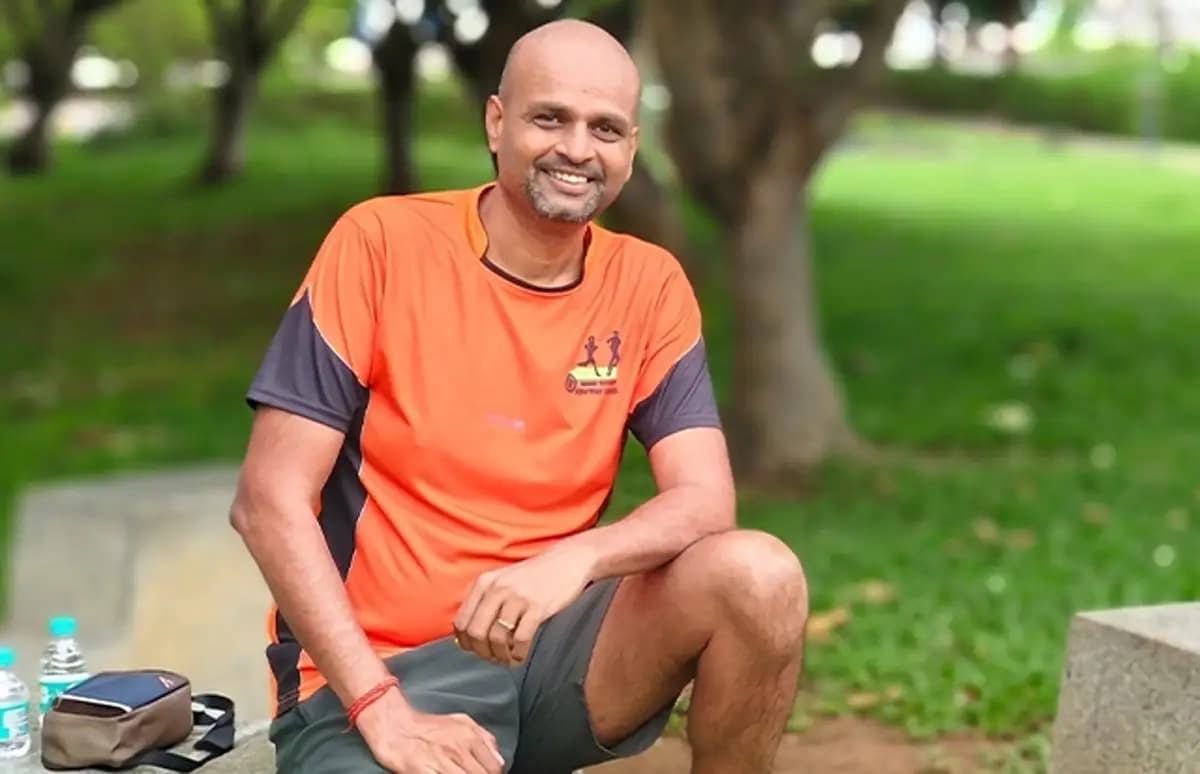
Ponniselvan K · Vice President
The Coach You Already Have
The coach you already have

“The body is remarkably intelligent. It tells us when to push. It tells us when to recover. It tells us when to fuel. It tells us when to rest. Our responsibility is to listen.”
— Ponniselvan K
What Ponniselvan Says About Listening to Your Body — The Coach You Already Have
Twelve hours. One stadium track. 199 laps. 81.59 kilometres, run from dusk until dawn.
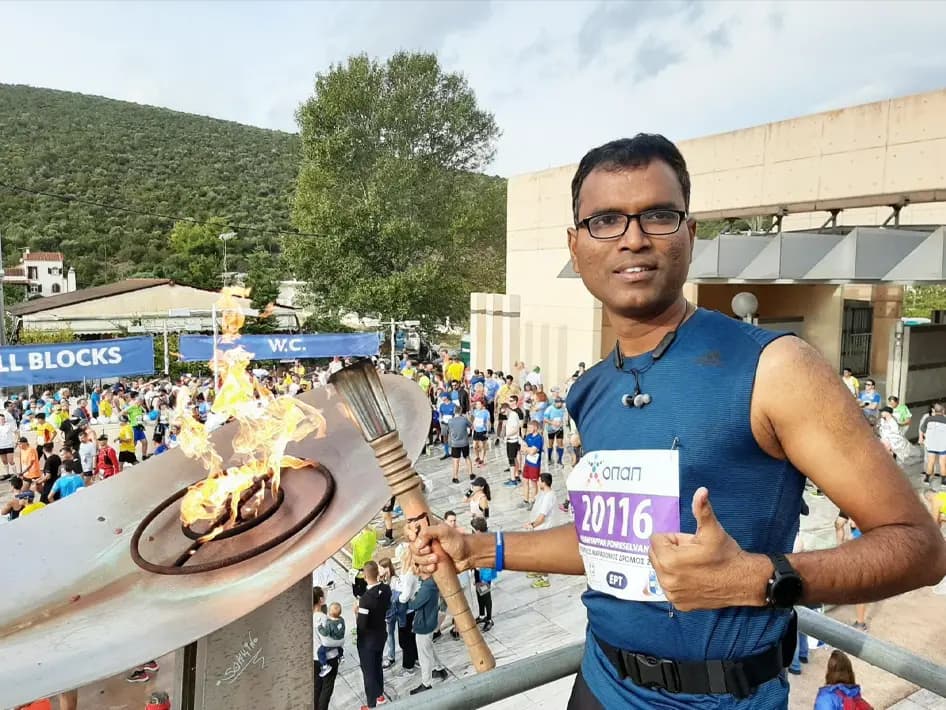
Somewhere in the middle of that night, Ponniselvan, Vice President of the MWC Runners Club, learned a lesson that no training plan, sports watch, or influencer reel could have taught him:
"Your body is your greatest coach. Listen to it."
Here's what he wants every runner in the club — from the newest 5K finisher to the next ultra-endurance hopeful — to take away from that night on the track.
There Is No "One Plan Fits All"
The fitness world loves a universal formula. Ponniselvan has run enough kilometres to know it doesn't exist.
"Some runners thrive on high mileage. Others perform better with lower mileage and more recovery... No two individuals are the same."
Genetics, age, training history, sleep, stress, injury history — every runner is carrying a different set of variables. The takeaway isn't to copy the fastest person in the group. It's to understand your own body well enough to know what actually works for you.

What 199 Laps Taught Him
Going into the Salem Moonlight Track Run 2026, Ponniselvan had done everything right on paper — pacing strategy, nutrition plan, hydration schedule, mental prep. And yet, as the night wore on, the body refused to follow the script.
Legs that should have been tired felt strong. Fatigue showed up when the pace felt easy. So instead of trusting the numbers on his watch alone, he kept checking in:
- How do my legs feel right now?
- Am I drinking enough?
- Should I eat before I feel hungry?
- Is this pace actually sustainable?
- Is my focus still sharp?
Those quiet check-ins, repeated for twelve hours, are what carried him to the finish. As he puts it:
"Performance comes not only from discipline but also from self-awareness."
The Body Whispers Before It Shouts
Long before injury or burnout arrives, the body sends warnings — and most athletes learn to override them. Ponniselvan names the early signals every runner should take seriously:
- Persistent soreness
- Heavy legs
- Poor sleep
- Falling motivation
- Rising fatigue
- Losing enthusiasm for training
Listening to these signs, he's careful to point out, isn't an excuse to avoid hard work. It's knowing precisely when to push — and when to hold back.
Recovery Isn't the Opposite of Training. It's Part of It.
After the stadium run, Ponniselvan's real work had just begun — not on the track, but in recovery. Thousands of repetitive strides, continuous muscular stress, disrupted sleep, mental fatigue — all of it needed time to be absorbed and rebuilt.
His challenge to the club: be as proud of the rest day as the hard session.
- Quality sleep
- Proper nutrition
- Hydration
- Mobility work
- Deliberate rest
That, he says, is where the real growth happens.

Fuel Like Yourself, Not Like Someone Else
Endurance events turn nutrition into a live experiment. Some runners run well on gels. Others need real food. Some need electrolytes constantly; others barely touch them.
"Nutrition should be personalized rather than copied from someone else's strategy."
The goal isn't to chase the latest trend — it's to find what lets your body perform, recover, and stay healthy over the long run.
Real Mental Toughness Knows When to Slow Down
Grit gets glorified. But Ponniselvan offers a more mature definition of mental strength — one that includes restraint, not just endurance.
"Sometimes courage means running through discomfort. Sometimes wisdom means slowing down."
The strongest athletes, he says, aren't the ones who never stop — they're the ones who can tell the difference between productive fatigue and dangerous fatigue, between healthy discomfort and the edge of injury.
The Real Finish Line
For Ponniselvan, fitness was never about a medal or a personal best. It's about building a body and mind capable of showing up, fully, for life.
"The best training program is not the hardest one. It is the one you can sustain consistently for years."
With a 24-hour stadium run now on the horizon, his preparation won't be just physical. It'll be about listening — to effort, to fuel, to fatigue, to recovery — and adapting to whatever the day brings.
Final Reflection
Somewhere around lap 199, under stadium lights at 3 a.m., Ponniselvan arrived at a simple truth he now shares with the whole club:
"The body is remarkably intelligent. It tells us when to push. It tells us when to recover. It tells us when to fuel. It tells us when to rest. Our responsibility is to listen."
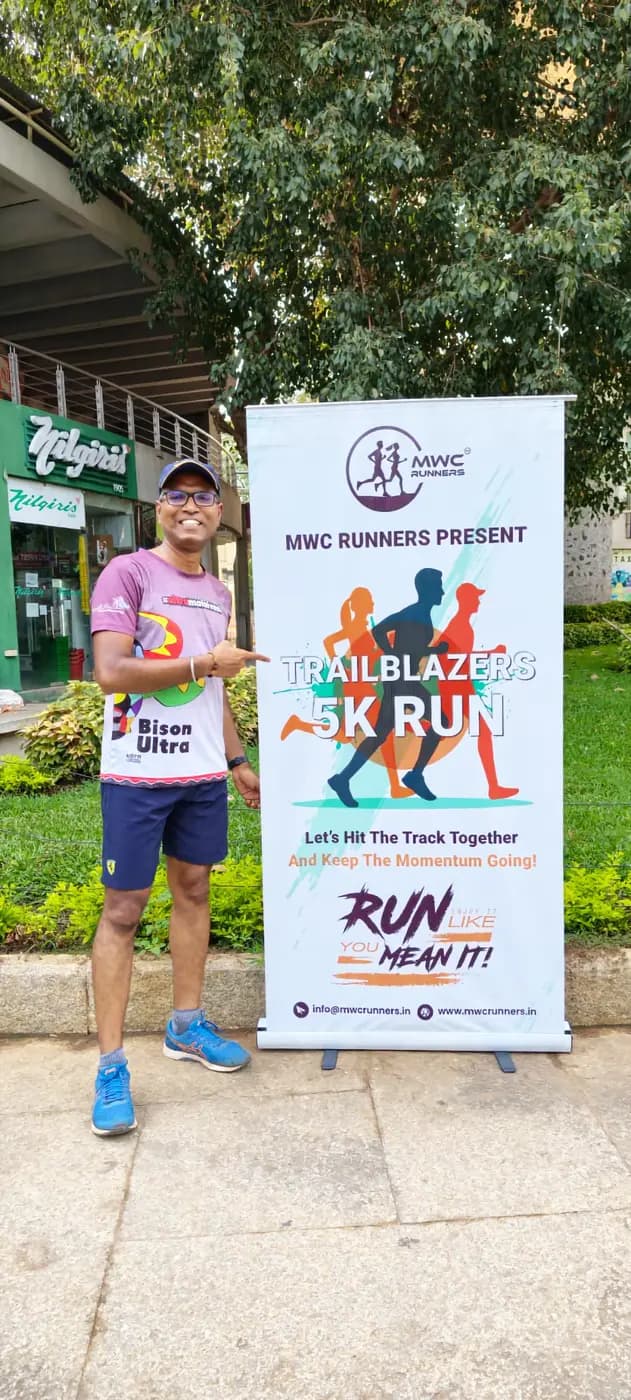
Whether you're chasing your first 5K or your next ultra, his message to every MWC runner is the same:
Run your race. Train according to your body. Fuel according to your needs. Recover according to your ability.
Because fitness was never about becoming someone else. It's about becoming the strongest, healthiest, and happiest version of yourself.
Ponniselvan's Motto
"No Human Is Limited."
But every human is unique — and the secret isn't pushing past every limit. It's understanding your body well enough to expand those limits wisely, one step at a time.
Have an endurance story of your own for the Insights page? Share it with the MWC Runners Club team — your journey could be next.