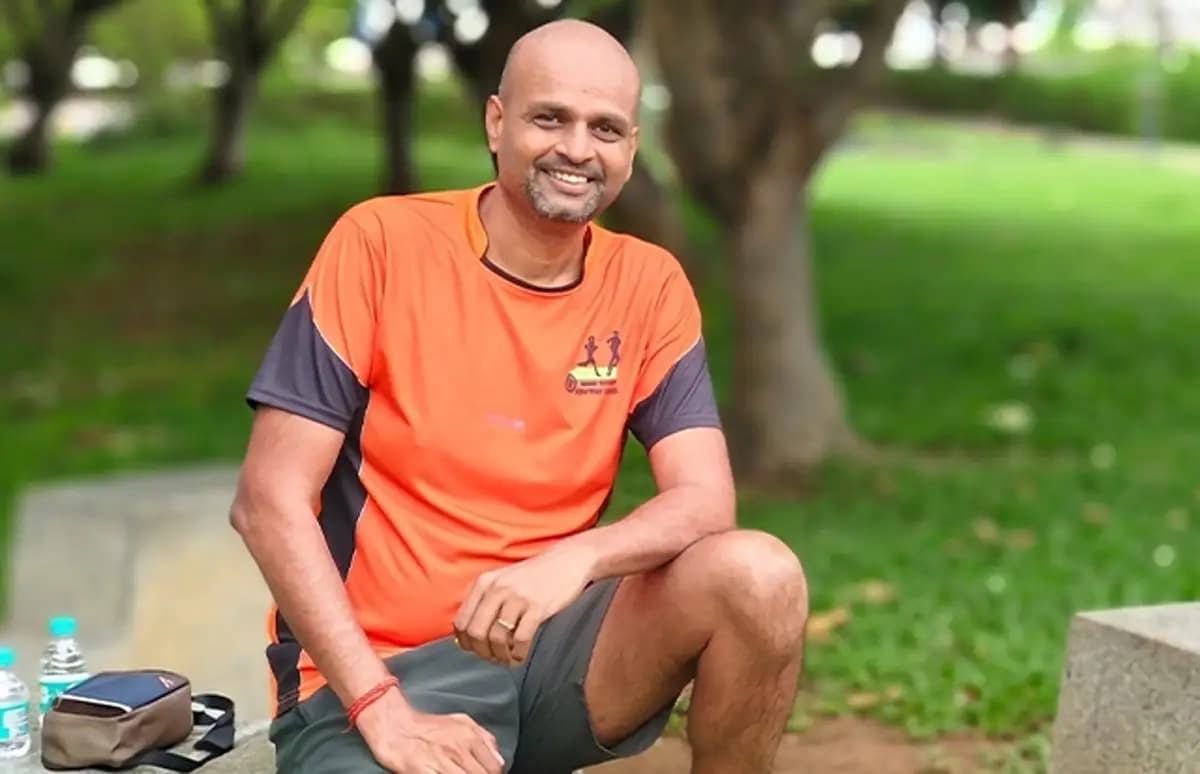
Gurushankar Mohan · General Secretary
It Was Never Just the Miles
Rethinking fitness through nutrition

“Training builds the demand. Nutrition is what actually pays for the repair. You can't out-train a bad diet, and I learned that the hard way — not in a classroom, but on a hospital bed.”
— Gurushankar Mohan
MWC RUNNERS CLUB | MEMBER INSIGHTS
It Was Never Just the Miles
Rethinking Fitness Through Nutrition
A Member Spotlight on Gurushankar Mohan
Fitness journeys are usually told through numbers: kilograms lost, kilometres run, personal bests set. Gurushankar Mohan's story has all of these. But the part of his journey worth paying closest attention to isn't the weight he lost or the marathons he finished. It's what he learned, slowly and sometimes painfully, about what actually happens on the plate before it ever happens on the road.
WHERE IT STARTED
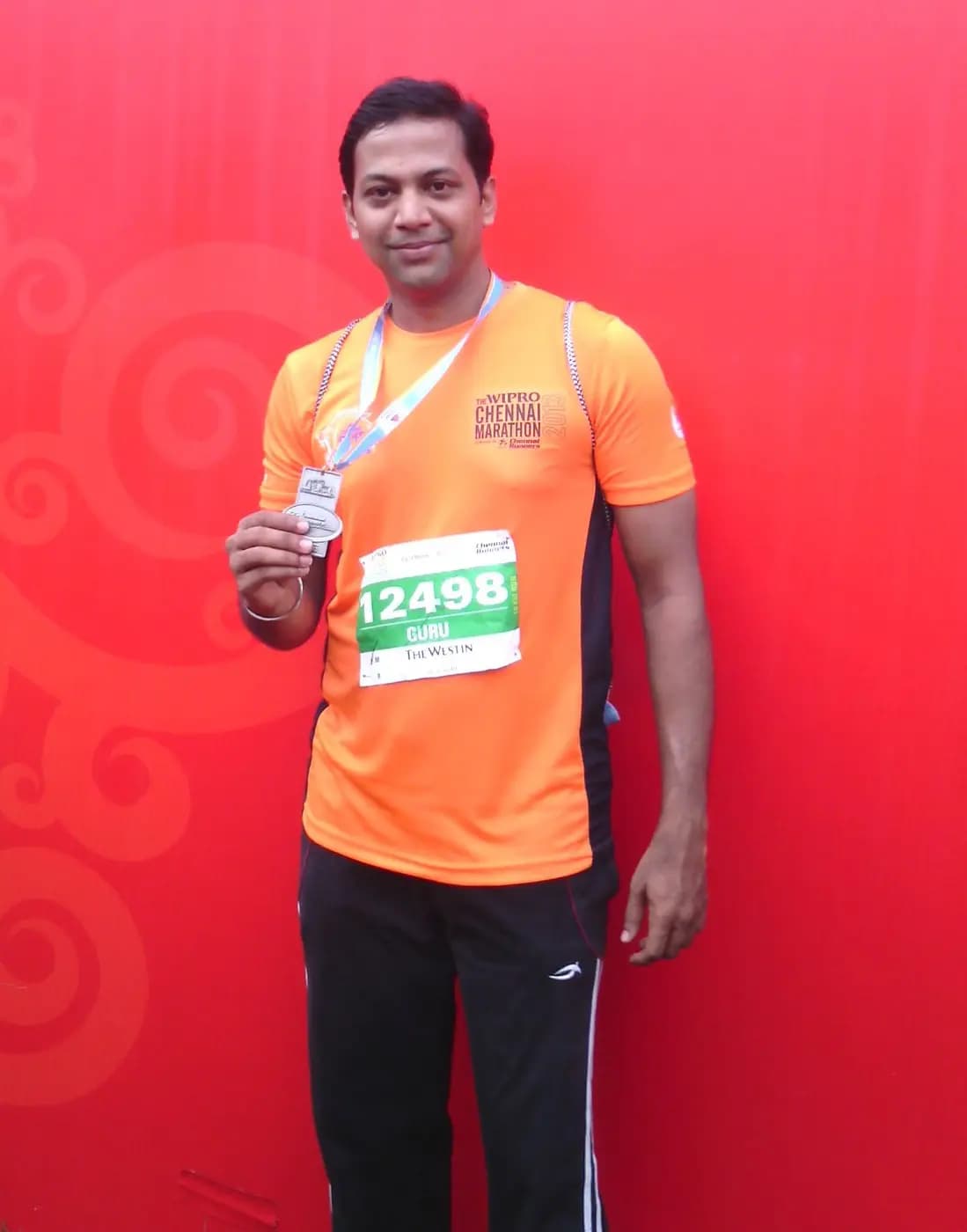
Gurushankar's relationship with fitness goes back to 2010, a period in his life shaped by an unhealthy lifestyle, inconsistent eating habits, long working hours, and the everyday pressures that quietly erode health over time until they can no longer be ignored. At his heaviest, he weighed over 110 kilograms, carrying the kind of weight that affects not just appearance, but energy levels, confidence, and long-term health risk. Rather than looking for a quick fix, he chose the harder, more sustainable route: structured workouts, consistent professional coaching, and a disciplined approach to daily habits. Progress didn't come overnight.
It came through months of showing up, adjusting, and staying consistent even when results were slow. Eventually, that discipline brought his weight down from over 110 kilograms to 73 kilograms, a transformation that didn't just change how he looked, but reshaped his entire relationship with health, and one that would go on to influence the next decade and a half of his life.
That transformation didn't stay personal for long. In 2012, driven by a desire to share what he had learned, Gurushankar launched Guru Fitness Planet, initially as a fitness blog built on his own experience of turning his health around. Over the following years, the platform grew into a genuine source of fitness education, with 604 articles published covering weight loss, nutrition, exercise science, healthy living, and motivation. Between 2012 and 2018, this body of work reached more than 72 lakh people, a scale that reflected both the demand for accessible, honest fitness content and Gurushankar's growing credibility as a voice in the space.
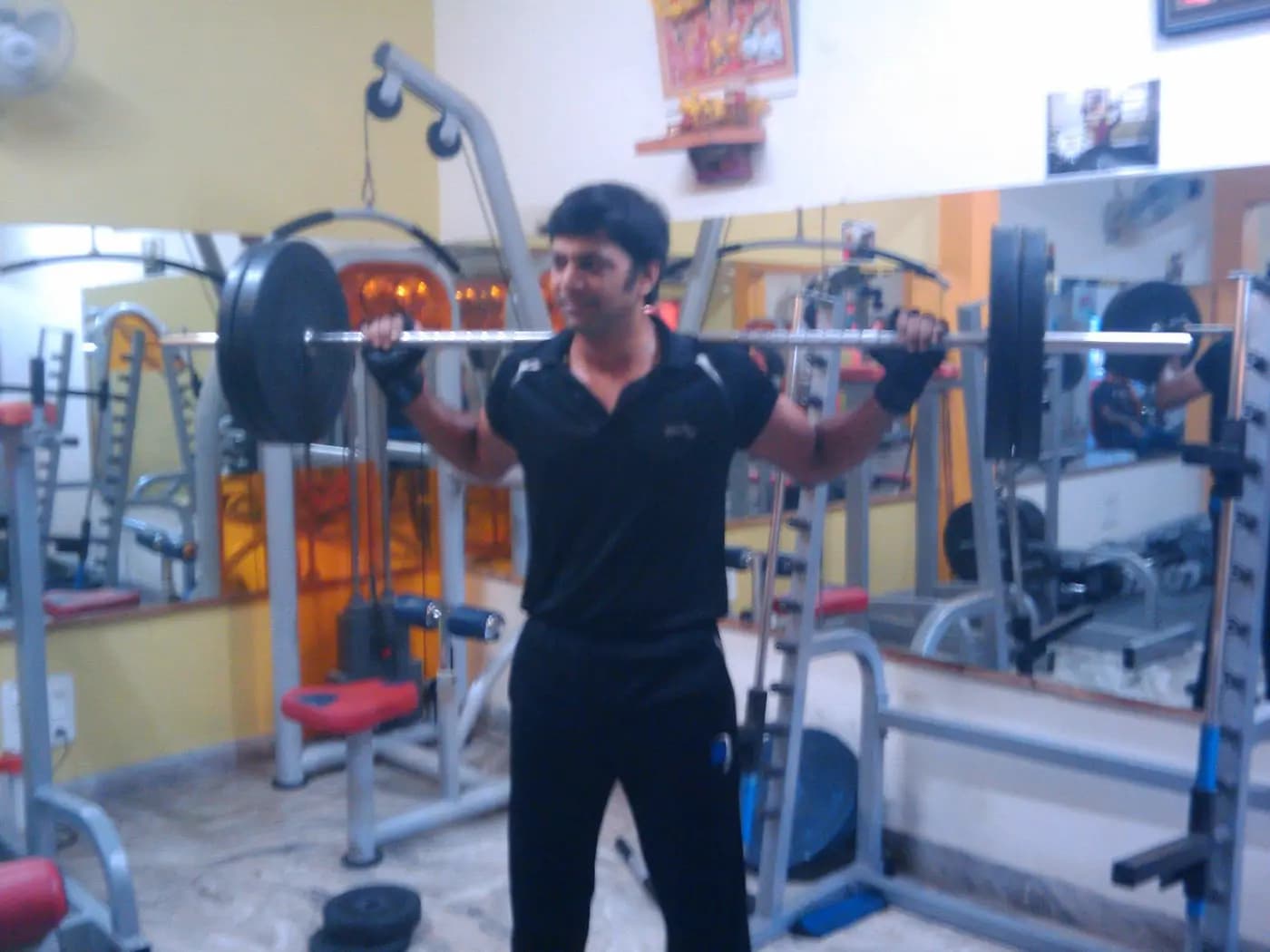
During this period, he also took on a part-time role as a Fitness and Health Coach at Hermes Fitness, Chennai, working directly with individuals on training, nutrition, and lifestyle change, hands-on coaching that complemented the content he was creating. Alongside this, his personal fitness journey evolved into a serious pursuit of endurance sport.
Over time, he went on to complete more than 70 running events, ranging from 10K races to half marathons and full marathons, eventually clocking a personal best marathon timing of 4 hours and 20 minutes, a number that reflected years of structured training, patience, and steady improvement.
THE PART OF THE STORY THAT CHANGED EVERYTHING
On February 24, 2021, a major accident left Gurushankar with complete tears of the ACL, MCL, and Meniscus. Three major surgeries and a long course of treatment followed. Complications from steroid treatment later led to Rheumatoid Arthritis, bringing pain, swelling, and mobility challenges that made even walking uncertain. At one stage, doctors suggested that running again might not be possible at all.
With the support of his wife, Sridevi - Physiotherapist, and months of physiotherapy, he moved from being bedridden, to walking with a stick, to walking independently within nine months. It's this middle chapter, unglamorous, slow, and repeatedly interrupted by setbacks, that reshaped how Gurushankar thinks about fitness altogether.
THE PIECE THAT WAS MISSING ALL ALONG
Here's the part of the story most transformation posts skip: for years, like most people chasing fitness goals, Gurushankar's focus was almost entirely on training. Workouts, mileage, intensity, that was where the effort went. Nutrition sat somewhere in the background, a rough idea rather than a discipline.
Recovery changed that. Rebuilding a body that had been through three surgeries and an autoimmune condition made one thing impossible to ignore: no amount of training can outwork poor nutrition. Muscles don't repair on willpower. Bones don't rebuild on motivation. They rebuild on protein, calcium, vitamin D, and a long list of micronutrients that most runners never think about until something breaks.
This is the piece Gurushankar now considers non-negotiable, and it's the reason he went on to formally study nutrition rather than rely on decades of informal fitness knowledge alone.
"Training builds the demand. Nutrition is what actually pays for the repair. You can't out-train a bad diet, and I learned that the hard way, not in a classroom, but on a hospital bed."
— Gurushankar Mohan
WHY DIET IS NOT A SIDE NOTE TO FITNESS
A common misconception among runners and gym-goers alike is that fitness is built purely through training, running more, lifting heavier, pushing harder. Nutrition, if it's considered at all, is treated as an afterthought. Gurushankar's experience, and his subsequent nutrition education, point to the opposite conclusion.
Fat loss, muscle repair, injury recovery, and endurance are all, at their core, biochemical processes. They depend on the body having the right raw materials at the right time. Training creates the stimulus for change, but nutrition is what actually builds the outcome. Skip one, and the other only gets you halfway there.
MACRONUTRIENTS AND MICRONUTRIENTS: Both Matter, Differently
Most people are familiar with macronutrients, protein, carbohydrates, and fats, since they make up the bulk of daily caloric intake and directly affect energy, muscle repair, and body composition. What's less understood is the role of micronutrients: vitamins and minerals needed in smaller quantities but with outsized effects on performance and recovery.
- Calcium and Vitamin D3: essential for bone density and remodeling, particularly critical for runners logging high weekly mileage.
- Iron: supports oxygen transport in the blood, directly impacting endurance and stamina.
- Magnesium and Electrolytes: regulate muscle function and help prevent cramping during long runs.
- B-Vitamins: support energy metabolism, converting food into usable fuel during training and racing.
A runner can be eating enough calories overall and still be underfueled where it matters most. Micronutrient gaps rarely show up as immediate pain; they show up later, as stress fractures, prolonged fatigue, poor recovery, or plateaued performance.

THE PROTEIN CONVERSATION RUNNERS OFTEN SKIP
If there's one macronutrient that deserves far more attention in the running community, it's protein. Runners tend to associate protein with bodybuilders and gym-goers, not with endurance sport, but this is a costly misconception.
- Fat loss: adequate protein intake preserves lean muscle mass during a calorie deficit, ensuring that weight lost comes from fat rather than muscle tissue.
- Muscle repair: running, especially at distance, creates microscopic muscle damage. Protein supplies the amino acids required to repair and strengthen that tissue.
- Endurance performance: well-maintained muscle and connective tissue directly support running economy and injury resistance over time.
- Satiety and recovery: protein supports appetite regulation, making it easier to sustain a healthy nutrition plan during high-mileage training blocks.
For runners actively training or trying to lose weight, protein intake spread evenly across meals, rather than loaded into a single meal, tends to support better recovery and more sustainable fat loss than diet changes focused on calorie-cutting alone.
TURNING EXPERIENCE INTO FORMAL KNOWLEDGE
Rather than relying solely on years of personal trial and error, Gurushankar chose to formalise his understanding of nutrition through structured coursework, including Nutrition Coaching for Fitness, Coaching Nutrition for Changing Bodies and Lives, The Building Blocks of Nutrition for Fitness, and The Science of Eating Well for Fitness, alongside an Advanced Fitness Coach certification.
This combination of lived experience and formal study is, in many ways, the real turning point in his story. Not the weight lost in 2010, and not even the recovery from a near career-ending injury, but the decision to treat nutrition with the same seriousness as training itself.

WHAT THIS MEANS FOR FELLOW RUNNERS
The takeaway for any runner in the MWC Runners Club community is simple: your training plan is only half the equation. Whether the goal is a faster 10K, a first marathon, or simply staying injury-free through a demanding training block, nutrition, both macro and micro, deserves the same planning and discipline as mileage and speed work.
Protein intake, in particular, is worth revisiting for most runners. It is not just for bulking up in a gym; it is a direct contributor to fat loss, muscle repair, and long-term endurance capacity.
CLOSING THOUGHT
Gurushankar's journey, from 110 kilograms, through a platform that reached lakhs of people, through a devastating injury, and into a second chapter with Guru Fitness Planet 2.0, is ultimately a story about relearning the basics. Training gets the credit. Nutrition does the quiet, unglamorous work underneath it. Both are necessary, but only one of them tends to get talked about.
As General Secretary of MWC Runners Club, Gurushankar continues to bring this perspective into the community, encouraging fellow runners to look beyond the run itself and pay closer attention to what's on the plate.
MWC RUNNERS CLUB
Run Smarter, Run Together